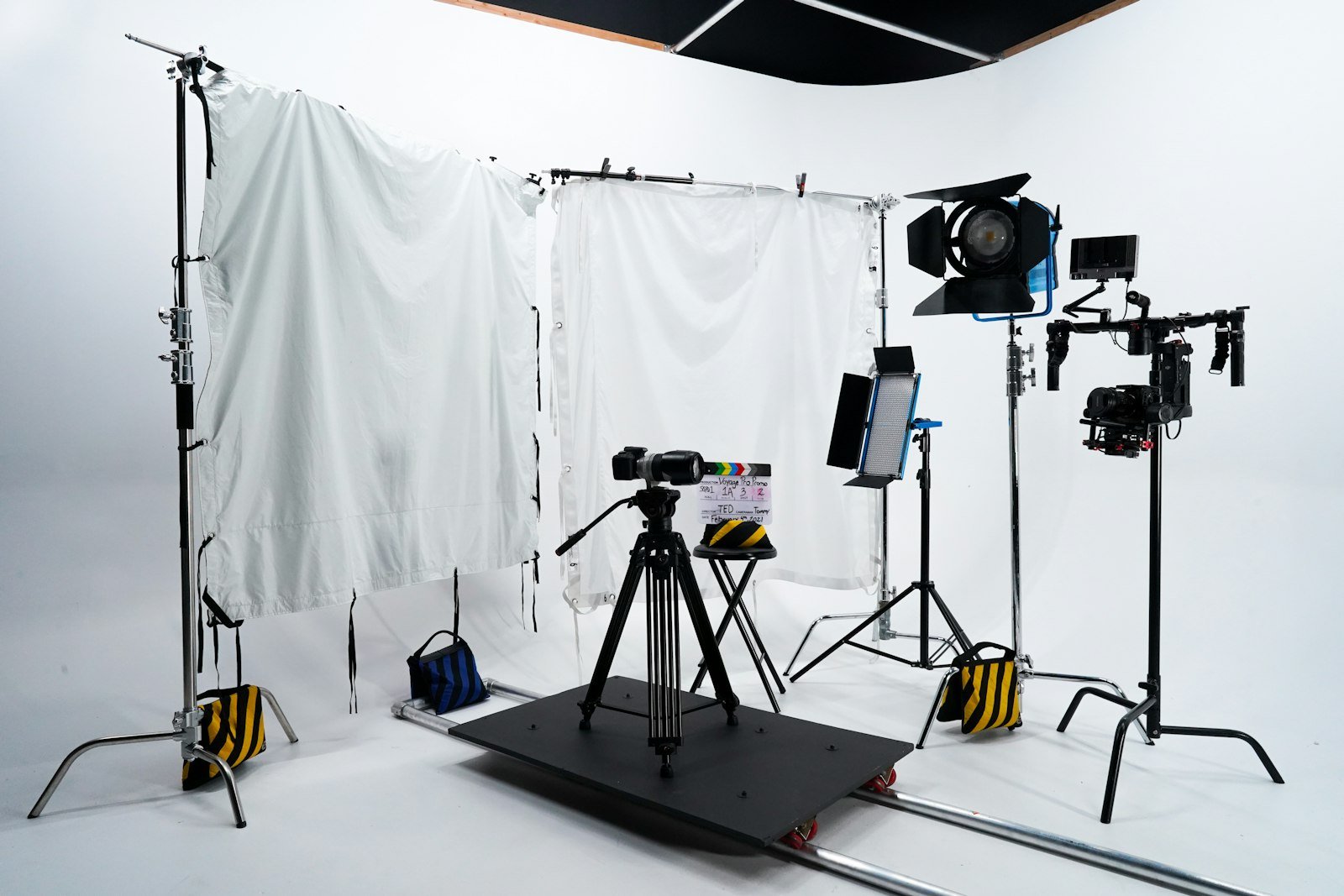
For most of advertising history, making a visual meant one route: write a brief, book a shoot, edit, deliver. Today there are two routes. At Ss Infoserve we run both — a traditional production line with cameras, crew, studio and talent, and an AI-assisted line that uses generative imagery, AI video and digital product placement.
This piece explains why we built the second line, where it is genuinely better, and why the first one still does work the second simply cannot.
Why a second line at all?
The short answer is volume. A brand that once needed one TV commercial and a few print ads now needs a steady flow of content: Reels, Stories, YouTube Shorts, marketplace listings, performance ads, WhatsApp creatives — each in several sizes, often in more than one language.
Shooting every one of those variations is not realistic for most budgets. And performance marketing rewards testing: the more creative variations you can put in front of an audience, the faster you find what works. AI-assisted production lowers the cost of each variation, so testing stops being a luxury.
The third reason is speed. Going from an idea to a first set of visuals can now take days rather than weeks, which means clients see and react to real images early instead of approving a concept on paper.
Where AI-assisted production wins
- Concepts and storyboards. Showing a client what a campaign could look like before a single rupee is spent on a set.
- Product-on-background variations. Starting from a real photo of the product, we place it in different settings for marketplaces, ads and social posts.
- Seasonal refreshes. Diwali, Holi, wedding season or a sale — the same campaign can get festive versions without a fresh shoot each time.
- Scenes that are hard or expensive to shoot. A bottle on a mountain top, a skincare jar in a stylised water world, a macro view no lens could reach.
- Localisation. Versions for different cities, languages and audiences.
- Ad creative testing. Ten hooks and ten visuals instead of two, so the budget follows what actually performs.
Where the camera still wins
There is a lot AI cannot honestly do, and pretending otherwise damages brands.
- Real people and real emotion. Founders, teams, customers, testimonials and behind-the-scenes content need real faces. Audiences can feel the difference, and trust is the whole point of this content.
- Food and texture. Steam, crumbs, the sheen of a sauce, the drape of fabric — viewers notice when it is not real, and in categories like food and fashion that doubt costs sales.
- Events and places that actually happened. A launch, a store opening or a site visit should be documented, not imagined.
- Anything that is a product claim. Size, colour, finish, results and what is in the box must be shown exactly as they are. If a visual makes a claim, it should be photographed.
- Brand films. Performance, timing, sound and story are still best directed on a real set.
How we decide, brief by brief
We ask four questions before choosing a line:
- Is this a claim or a mood? Claims about the product get photographed. Moods, worlds and concepts can be generated.
- Does a real person need to be recognisable? If yes, we shoot — with consent and the right releases.
- Will this run once, or be varied fifty times? Hero assets deserve a proper shoot. High-volume variations are where AI-assisted work pays off.
- What do the budget and timeline allow? Sometimes the honest answer is a smaller shoot plus AI-assisted extensions, rather than a big shoot that eats the whole budget.
The hybrid that works best
For most brands the best result comes from using both lines together:
- Shoot the hero once, properly — the product, the people and the key moments.
- Extend that material with AI-assisted production — new backgrounds, formats, seasonal versions and test variations.
- Run the variations, watch what performs, and invest in a fresh shoot for the ideas that win.
This way the brand looks real where it matters and stays fresh everywhere else, without paying for a new shoot every week.
Our guardrails
- We start from real photographs of the real product and never change the product itself.
- We do not create fake customers, fake reviews or fake endorsements.
- We only use a person’s likeness with their permission.
- Every generated image is checked by a human for errors — hands, text, logos and labels are common trouble spots.
- We tell clients clearly which assets are AI-assisted, so they can decide how to label them.
The real question
The question is not “AI or camera?”. It is “which tool for which job?”. We built a second production line because our clients needed more content, faster, and we still love the first because some things deserve to be real.
If you are planning a campaign and are not sure which route fits, talk to us — or see our AI commercials and film production work.